

-
By admin
-
November 11, 2025
- 0 Comment
Best Remedies for Dehydrated Skin
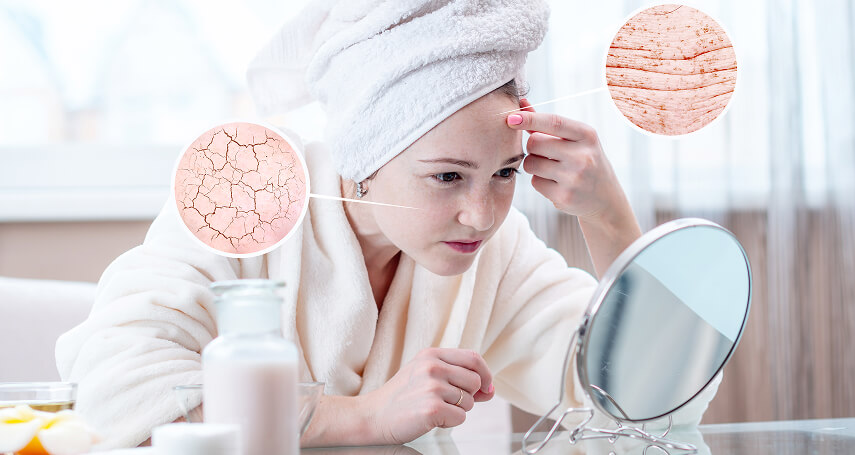
Dehydrated skin is a common but often misunderstood skin condition. Unlike “dry skin”, which refers to a skin type with insufficient oil (sebum), dehydrated skin is a condition characterized by a lack of water in the skin and it can affect any skin type (oily, combination, or dry). When skin lacks enough water, it appears dull, feels tight, fine lines can appear more easily, and often reacts more sensitively to creams and cosmetics. Recognizing the difference is the first step towards effective skincare treatment.
What is Dehydrated Skin (vs. Dry Skin)
Dry skin is caused by insufficient natural oils and is a chronic skin type. In contrast, dehydrated skin is a temporary condition. There is less water content in the skin, which reduces plumpness and leads to imbalance.
Dehydration affects the skin barrier, leading to increased transepidermal water loss and reduced resilience to stress. So it’s important to take a dual approach which is replenishing water (hydration) and supporting the barrier to conserve that water (humidification).Understanding this distinction helps you select the right skincare products suited for hydration rather than oil replenishment.
Noticeable signs and symptoms
Typical symptoms of dehydrated skin include a feeling of tightness after cleansing, flaky or blotchy areas, dull complexion, more pronounced fine lines and even an abnormal combination of oily surface but textured patches beneath.
If your makeup is applied unevenly or your skin reacts poorly to harmless products, dehydration may be the cause. In contrast, persistently dry skin will feel rough on a regular basis, and may be genetically predisposed.
Common causes and contributing factors
External factors (environment, cleansing habits)
- Environmental stressors such as air conditioning, heating, low humidity, cold wind or sun exposure can all draw water out of the skin.
- Hot showers, foaming cleansers, scrubs and over-cleansing strip oils and disrupt the barrier, accelerating dehydration.
- A well-balanced skincare routine minimizes these effects and restores the skin barrier naturally.
Internal factors (diet, hydration, health)
- Even though applying the right products is critical, internal hydration matters too, low water intake, high alcohol or caffeine use, lack of sleep, and poor diet reduce skin’s ability to retain moisture.
- Also, aging skin produces less hyaluronic acid and retains less water, making older skin more prone to dehydration.
Immediate recovery steps
Gentle cleansing and hydration boost
- Begin by selecting a mild, non-stripping cleanser. Use lukewarm water rather than hot, and keep your cleansing routine minimal while your skin rebounds. Over-cleansing or using harsh surfactants will prolong recovery.
- After cleansing, apply a hydrating serum or mist while the skin is still slightly damp. Humectants like hyaluronic acid and glycerin help draw moisture into the skin cells.
Locking in moisture and barrier repair
- Immediately follow your hydrating step with a richer moisturizer to seal the water in. Emollients and occlusives such as ceramides, petrolatum, and shea butter help fortify the skin barrier and prevent further water loss.
- This “hydrate then protect” sequence is the cornerstone of recovery.
Key ingredients to look for in your daily routine
Humectants (hyaluronic acid, glycerin)
- Humectants attract water from the environment or lower layers of the skin into the epidermis. Look for hyaluronic acid, glycerin, aloe vera, and soluble saccharides.
- These are especially helpful immediately after cleansing to boost hydration and are common in high-quality skincare products.
Emollients and occlusives (ceramides, petrolatum)
- Emollients smooth out rough skin textures and fill the spaces between skin cells, Barriers create a physical barrier to prevent water evaporation.
- Elements like ceramides, linoleic acid, mineral oil and petrolatum prove helpful in repairing the barrier.
- When your barrier remains intact, you naturally retain more water and your skin functions better.
Lifestyle and environmental adjustment
Hydration and Nutrition
Drink plenty of water throughout the day and include water-rich foods like cucumber, watermelon, orange and green leafy vegetables in your diet. Avoid consuming excess alcohol or caffeine as these can lead to dehydration. Prioritize sleep and stress management, both of which affect skin recovery.
Humidifier, shower temperature and daily habits
Run a humidifier to maintain ambient humidity in dry climates or during summer. Avoid hot baths longer than 5-10 minutes. Use a soft towel, pat the skin dry (don’t rub), and apply moisturizer immediately when the skin is damp.
Also wear breathable clothing and avoid exposure to strong wind or sunlight which strips moisture from the skin. Such skincare products make a big difference over time.
Creating a Daily Skin Care Routine for Dehydrated Skin
Morning routine
- Clean with a mild, non-foaming cleanser in lukewarm water.
- When skin is damp, apply a hydrating serum containing humectants (e.g., hyaluronic acid, glycerin).
- Follow with a light moisturizer that contains barrier-supporting ingredients (ceramides, niacinamide).
- Apply broad-spectrum sunscreen as UV exposure increases dehydration and barrier damage.
Evening routine
- Clean again gently; Only consider double cleansing if you’ve used heavy products or sunscreen.
- Apply hydrating serum as described above.
- Use a better night cream or balm that contains occlusives (petrolatum, shea butter) to maintain hydration throughout the night.
- Optional: Use a gentle exfoliant 1-2 times per week until your skin is still delicate and aim to remove dead skin cells so the hydration phase can penetrate more efficiently. But avoid aggressive scrubs or excessive exfoliating.
Consistency is key. Within 1-2 weeks you should notice less tightness, fewer rough spots and a healthier glow.
Mistakes to Avoid When Treating Dehydrated Skin
- Using hot water or long showers, this reduces moisture even further.
- Excessive cleaning or using harsh, sulphate-containing cleansers.
- Excessive exfoliation or use of strong active substances (high potency acids, retinoids) when the barrier is compromised.
- Skipping moisturizer or relying only on light lotions when your skin needs more insulation to seal in hydration.
- Ignoring internal hydration and lifestyle factors. Even the best skin care cannot fully compensate for dehydration from within.
When to consult a dermatologist
If your dehydrated skin does not improve after consistent care (4-6 weeks of gentle routine and lifestyle changes), or you develop persistent flaking, redness, cracking or irritation, it is time for professional advice. A dermatologist can assess whether there is an underlying skin barrier disorder, eczema, or other condition that requires targeted treatment. Professional guidance can also help tailor sensitive skin care routines to your individual needs.
Treating dehydrated skin effectively involves a two-pronged strategy which are, replenishing water (using hydrating products and lifestyle adjustments) and locking it in (using barrier-repairing ingredients and healthy habits). Start with a gentle cleanse, apply a humectant serum when skin is damp, follow with a moisturizer containing emollients and occlusives, and complete your routine with internal hydration and environmental support. Avoid harsh habits that further reduce moisture, and follow a regular routine. Over time you will restore your skin’s bounce, smoothness and healthy glow. If improvement stops, get evaluated by a dermatologist.