

-
By admin
-
November 11, 2025
- 0 Comment
Skincare Routines That Soothe Skin Allergies
Understanding Skin Allergies
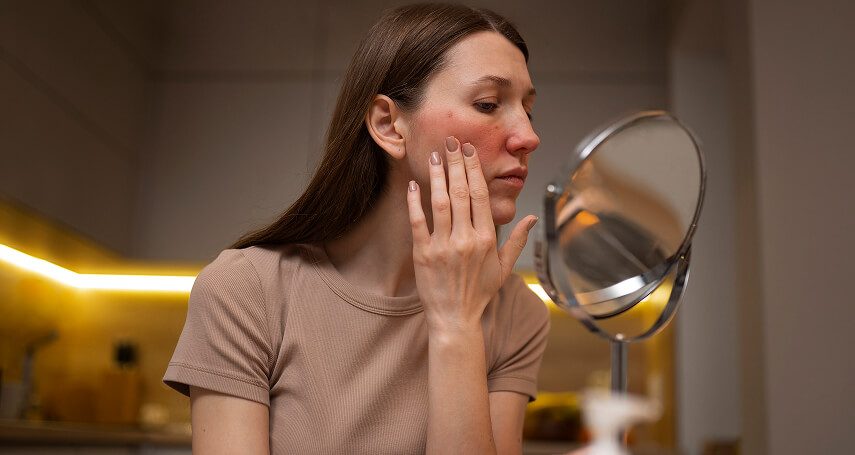
Skin allergies including allergic contact dermatitis, atopic dermatitis (eczema), and hives occur when the immune system overreacts to a substance that comes in contact with the skin. Reactions may present as redness, itching, swelling, small blisters, or dry, cracked patches. It is important to differentiate irritation from allergic reactions (mechanical or chemical damage versus immune-mediated allergy) because it changes management: allergic reactions require avoidance of the sensitizing substance, whereas irritant reactions may improve once the skin barrier is restored and exposure is reduced.
Common triggers
Many everyday things can trigger skin allergies. Fragrance ingredients, preservatives (for example, formaldehyde releasers and some parabens), metal salts such as nickel, rubber/latex, and vegetable oils or extracts are frequent violators. Professional agents (solvents, cleaning products) and strong active skin care ingredients (high-concentration acids, retinoids) can also cause irritation or sensitivity. Knowing common triggers helps you make safe choices when shopping or simplifying your daily routine. Identifying and removing the offending item is the most effective preventive step. Understanding these triggers helps you choose safe skincare products and build a sensitive skin care routine that prevents flare-ups.

Immediate steps after a reaction
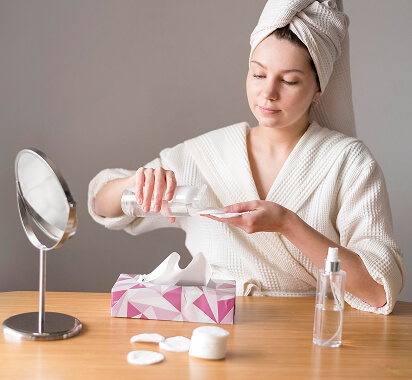
If you get a new rash or sudden itching, stop using any recently added products immediately. Wash the affected area with lukewarm water to remove any remaining product, then apply a cool, clean compress to reduce swelling and itching. Over-the-counter oral antihistamines can reduce itching for many people, and a short course of low-potency hydrocortisone cream can soothe local inflammation but use steroids as directed and avoid prolonged unsupervised use on the face or delicate skin. If symptoms are severe or get worse, seek medical advice.
Gentle cleansing: reset, don’t strip
Choose a non-soap, fragrance-free cleanser and wash with lukewarm water. Avoid hot water, abrasive cloths and exfoliating acids if the skin is inflamed. It aims to relieve allergies and irritations while preserving the natural oils and barrier lipids that protect the skin. Keeping cleaning brief (once or twice a day) prevents additional barrier damage. Many dermatology sources recommend simplifying the routine until the skin heals. Dermatologists recommend a minimal skincare routine during allergy recovery, just cleansing and moisturizing until the skin heals.
Moisturizing and barrier repair
Repairing the skin barrier is central to recovery. Use occlusive or ceramide-containing emollients, look for ingredients like petrolatum, glycerin, urea (in small amounts), niacinamide and ceramides and apply moisturizers liberally and often, especially after washing. For very dry or eczema-prone skin, ointments and creams perform better than lotions because they seal in moisture better. In persistent or severe cases, physicians may recommend prescription emollients and supportive treatments to more aggressively restore the barrier.
Anti-itch and anti-inflammatory topical options
Topical corticosteroids are the front-line anti-inflammatory treatments for many allergic skin reactions. Choose the appropriate potency for the area (low potency for the face and subcutaneous areas, medium to high potency for thick skin on the body) and follow the duration guidance to avoid steroid side effects. Non-steroidal options such as topical calcineurin inhibitors are options for sensitive sites or when steroids are inappropriate. For symptomatic relief, calamine lotion, colloidal oatmeal bath, or cold compress may soothe the itching. If over-the-counter remedies fail, the doctor may prescribe stronger or systemic alternatives.
Patch testing and identifying culprits
If reactions recur or the offending product is unclear, a dermatologist may perform a patch test to identify the specific contact allergen. The patch test applies a small amount of the common allergen under the occlusion and monitors for delayed hypersensitivity reactions over several days. Identifying triggers allows targeted prevention and often results in resolution of chronic or recurrent skin inflammation that cannot be controlled with simple home measures.
How to introduce products safely
When reintroducing skincare products, adopt a cautious plan: add one new product at a time and wait 48-72 hours (or up to a week for delayed reactions) before adding another. Patch-test the new formulation on the inner arm or behind the ear for several days. Prefer products labeled fragrance-free, dye-free and low-preservatives. “Hypoallergenic” is unregulated, so check the ingredient list yourself. Keep routine to a minimum during sensitive periods (cleanser, moisturizer, sunscreen) and avoid applying too many active ingredients at once.
Choosing ingredients and what to avoid
Prioritize barrier-supporting ingredients (ceramides, glycerin, hyaluronic acid, niacinamide) and avoid known irritants when treating (denatured alcohol, strong AHA/BHA, high-potency retinoids, essential oil-heavy formulations). If a preservative or fragrance has caused a prior reaction, check the label for alternatives and look for products from brands that publish full ingredient lists and offer sample sizes for testing.
Practical daily routine for treatment
Your allergy-recovery skincare routine should include:
1) Clean gently once daily with a soap-free cleanser
2) Pat the skin dry and apply a generous layer of softening emollient
3) Apply topical medication if prescribed
4) Avoid cosmetics, fragrances and active treatments until healed
5) Wear loose, breathable clothing to reduce friction
6) Use gloves when handling cleaning agents.
Protect healthy skin when exposed to the sun with fragrance-free sunscreen.
When to get urgent help
Seek immediate care for swelling of the face or throat, difficulty breathing, signs of a systemic allergic reaction (anaphylaxis), a rapidly spreading rash, or obvious infection (increasing pain, pus, fever). For persistent dermatitis that doesn’t respond to OTC remedies, try patch testing, prescription therapy or visit a dermatologist to investigate the underlying cause. Timely professional evaluation prevents complications and preserves skin health.
Special populations and safety notes
Infants, the elderly, pregnant or breastfeeding individuals, and people with compromised immune systems need modified sensitive skin care routines. Avoid potent topical steroids on infants without expert advice and consult healthcare providers about the safety of the medication during pregnancy or breast-feeding. Many medicinal options require dosage or potency adjustments in these groups.
Seven Day Recovery Plan
Days 1-2: Stop suspect products, cleanse gently once a day, and apply a thick emollient morning and night. Use cold compresses for intense itching and consider taking an oral antihistamine at night to aid sleep.
Day 3-4: Continue moisturization. Apply low potency hydrocortisone cream only to symptomatic patches as directed. Avoid hot baths and heavy exercise that increase sweating.
Days 5-7: If improving, continue moisturizing twice a day and reapply gentle sunscreen. Delay activation (retinoids, strong acids) until at least two symptom-free weeks. If there is no improvement or the condition worsens, consult a dermatologist.
How to do patch testing (home screening)
Apply a small amount of the product to the inner arm or behind the ear, cover with a breathable bandage and observe for 48-72 hours without washing the area. If redness, swelling, blisters, or persistent itching develops, discontinue use and consult a physician. Remember that home patch tests are screening tools and may miss delayed allergies that formal patch testing may detect. Always do this before adding new skincare products to your routine.
Shopping Checklist for Sensitive Skin
- Minimum ingredient lists.
- No added fragrances or perfumes.
- No unnecessary colors or essential oil additives.
- Barrier-supporting ingredients present (ceramides, glycerin, hyaluronic acid, niacinamide).
- Brand transparency and sample size for testing.
Common Myths & Facts
Myth: Hypoallergenic doesn’t guarantee no reaction.
Fact: Hypoallergenic is unregulated. Always read labels and patch-tests.
Myth: Natural ingredients are always safe.
Fact: Many botanical extracts and essential oils are common allergens.
Myth: Rubbing alcohol relieves allergies.
Fact: Alcohol can loosen the barrier and worsen dermatitis.
Travel and Makeup Tips
Carry a small tube of your trusty emollient and fragrance-free sunscreen. For makeup, prefer mineral or non-comedogenic formulas and avoid multi-ingredient novelty products. When traveling, pack samples and do patch testing. Airport and hotel soaps can be triggers, so use your own products whenever possible.
Skincare treatment for allergic reactions focuses on preventing exposure, repairing the skin barrier, and controlling inflammation and itching. Conservative care at home like gentle cleaning, regular emollients, targeted short-term anti-inflammatories, and cautious product reapplication works for many people, but persistent or severe cases require professional evaluation, patch testing, and possibly prescription treatment.