

-
By admin
-
November 11, 2025
- 0 Comment
Best Fabrics to Wear for the Winter Season
Why clothing choice matters in winter
When winter comes and the temperatures drop, choosing the right fabric becomes as important as choosing the right outfit. A coat or sweater may feel good, but if it’s made of the wrong material, you’ll feel cold, clammy, or overheated. Good winter clothes does three essential jobs that includes retaining warmth, managing moisture, and allowing breathability. These features help you stay comfortable, whether you’re inside a cool building or walking down a street.
Additionally, the differences between natural fibers and synthetics, and how each behaves in cold and wet conditions, plays a big role in your comfort. We will explore this in the next subsections. At White Horse, we specialize as custom clothing manufacturers, producing high-quality winter wear designed for both comfort and durability.
Role of insulation and breathability
To keep you warm, clothing needs to create small pockets of air that act as insulation preventing heat from escaping your body and slowing heat loss to the surrounding environment. At the same time, if you’re moving around or layered up, your body will also generate moisture (sweat). If your fabric can’t manage that moisture either by wicking it away from the skin or allowing evaporation, you’ll feel damp and cold.
As one winter-fabric guide points out, choosing materials that offer warmth without bulk and good breathability is essential when picking warm clothes for winter that perform well both indoors and outdoors.
Natural vs. synthetic materials
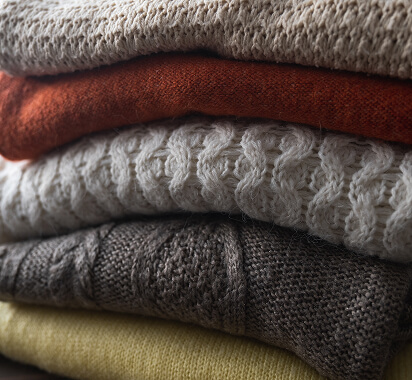
Natural fibers (e.g. wool, cotton, linen, silk) often bring benefits such as comfort, durability and good moisture management. For example, wool traps air, wicks moisture, and adapts to changing body temperatures.
Synthetics (such as polyester, nylon, acrylic) are lighter, less expensive, and easier to care for. They are often engineered for specific performance properties (wind-resistance, water-repellent, quick-drying). But they may lack the natural breathability or insulation of premium natural fibers. Many fashion blogs recommend blends combining natural warmth with synthetic performance.
With these basics in mind, let’s look at specific fabric categories and how they perform in winter.
Wool & Wool Blends: The Winter Fabric Champion
Merino, Alpaca, Cashmere – What’s the Difference?
Wool is often referred to as a cold weather fabric, and for good reason. According to a detailed overview, wool naturally keeps you warm, retains moisture, and makes you feel comfortable even in humid conditions making it a foundation for high-quality clothes for winter.
Let’s break down some of the types:
- Merino wool: Fine, soft, breathable often used for base layers or premium sweaters. Its lightweight nature makes it ideal for layering without feeling heavy.
- Cashmere: Luxuriously soft, generally more expensive, but offers excellent warmth-to-weight ratio. Many winter-fabric guides list it as a top-tier choice.
- Alpaca, blended wool: These are variations that offer subtle differences in texture, warmth, and feel. Many designs combine wool with synthetic fibers for durability or ease of care. What makes wool stand out is it maintains insulation even when slightly damp, and its natural shrinkage creates insulating air pockets.
Care Tips and Longevity
- Woolen clothes are durable and long lasting if taken care of properly. Some suggestions:
- Avoid excessive heat when washing, Use gentle settings or wash some items by hand.
- If items are heavy (to avoid dragging) use or fold garment bags for storage instead of hanging.
- When mixed with synthetics, check care instructions, some blends behave differently. High-quality wool pieces often justify their price because they last for several seasons, hold shape, and maintain their insulation.
Cotton, Flannel, and Layering Basics
Heavyweight cotton and flannel for base layers
Cotton may not have the insulation power of wool, but it still has an important place in the winter wardrobe especially for layering. A winter clothing guide states that cotton, when used in heavier knits (such as flannel) or as part of a layering system, makes for comfortable indoor wear or light-winter outer layers.
Flannel (a brushed cotton often blended with wool or synthetics) has a soft, fluffy texture that helps trap air and retain heat. It’s perfect for layering under casual shirts, pajamas or heavier jackets.
How to layer for warmth without bulk
Layering is more effective than just choosing the thickest material. A wise approach is:
- Base layer: Moisture-wicking (cotton, merino, silk) close to the skin.
- Middle/insulation layer: Something like wool, fleece, or flannel.
- Outer layer: Wind/water resistant fabric (synthetic or treated natural).
- As one outdoor guide recommends, base layers should retain body heat; insulation layers trap that heat, outer layers protect against wind and moisture. By using layering correctly, you can mix fabrics (e.g., cotton base + wool sweater + synthetic outer) to get warmth, mobility, and style without unnecessary bulk.
Velvet, tweed and textural fabrics for style + warmth
Why does texture add thermal value
Textured fabrics like velvet and tweed are not only rich to look at, but the texture itself plays a role in insulation. Heavier weaves, higher nap (like velvet), or denser threads (like tweed) trap more air, improving warmth. Many style experts list them as go-to clothes for winter when you want elegance and function combined. A blog on winter clothing describes tweed and velvet as both style-forward and functional for cold weather. These materials are excellent choices for occasions where you want a combination of elegance and warmth.
Using beautiful clothes for winter occasions
For formal wear or seasonal events (holiday dinners, winter weddings), soft-luxury fabrics like velvet or wool/tweed blends help keep temperatures comfortable while making an aesthetic statement. For example, velvet dresses or jackets offer a luxurious look that matches the functional value of warmth. And tweed blazers provide a timeless, textured outer layer that complements smart-casual wardrobes. When selecting these clothes, make sure the lining, fit, and layering are appropriate (a velvet blazer over a wool sweater may be ideal rather than bare skin).
Synthetic clothing, woolen and outer winter fabrics
Polyester, Wool, Nylon – Advantages and Disadvantages
Synthetics such as polyester, nylon or blends are engineered for specific performance, especially in the context of active or outdoor clothing. According to one source, “Polyester is a durable, budget-friendly option meanwhile nylon is waterproof and lightweight for winter conditions”.
Wool (usually polyester) is a lightweight insulation favorite; it traps heat well, dries quickly, and is comfortable for casual layers or outer wear. One winter guide states that wool is “infinitely comfortable and relatively lightweight…a great warm fabric to use in casual jackets. Synthetics, on the other hand, may lack breathability, be prone to static, and feel less luxurious. If worn alone in sub-freezing or humid conditions, they may perform worse than higher quality natural fibers.
When to use technical clothing compared to classic clothing
- For outdoor, active or unpredictable weather: Use synthetics or waterproof blends combined with insulation layers.
- For indoor or semi-formal winter days: Natural fabrics often offer greater comfort and elegance.
- For budget-friendly layering: Blended fabrics (for example, wool + polyester) can reduce costs while providing many functional benefits.
- As one textile guide recommends: Choose fabric based on “warmth, breathability, moisture wicking” rather than just brand or price.
Emerging Fabrics and Sustainable Alternatives
Eco-Friendly Winter Clothes (Hemp, Tencel, Linen Layered)
Sustainability is becoming increasingly important in fashion and winter wardrobes are no exception. Some new blogs highlight fabrics like tencel or hemp as viable winter options because they combine insulation with environmental comfort.
Hemp, previously more prevalent for summer wear, is now being woven thicker for winter use, providing longevity, insulation, and ultra-durability.
Natural fabrics like linen are also being reimagined for layering systems instead of heavy outer coats. As expert custom clothing manufacturers, WhiteHorse understands that the right fabric makes all the difference in winter wear.
Choosing clothes that have a mix of warmth + stability
When choosing your winter wardrobe, consider:
- Is the fabric renewable or biodegradable (for example, wool, hemp, linen) rather than petroleum-based synthetics?
- Is production ethical and low-impact? A recent article warns of greenwashing in fashion and recommends natural fibers like wool and linen instead of virgin polyester.
- Does the fabric offer longevity (so you buy fewer items, but higher quality ones)? By choosing sustainable clothes for winter, your wardrobe becomes not only seasonally practical, but also future-forward.
How to Choose the Right Winter Fabric for Your Situation
Clothing to match climate, activity and style
Winter conditions vary widely from mild damp cold to sub-zero snow storms. When choosing fabric:
- For cold, wet climates: Prioritize clothing that wicks away moisture (e.g., fleece, wool blend) and is combined with waterproof outer layers.
- For indoor or layered contexts: Consider lightweight natural fabrics (cotton flannel, linen layers) and focus on layering rather than bulk.
- For style-focused occasions: Use textured or luxury fabrics (velvet, tweed, cashmere) that look intentional but still perform.
- For active/outerwear: Use synthetics or blends designed for mobility, moisture-management and weather protection.
Care, storage and maintenance of winter clothing
Good clothes are only as good as they are well maintained. Some care guidelines:
- Read care labels: Wool versus blended clothing may have very different instructions.
- Store heavy winter clothing in a breathable garment bag in the off-season. Avoid plastic which can trap moisture.
- Avoid excessive washing. Many wool items benefit from air cleaning rather than repeated washing.
- Address pilling, surface wear, or static: Synthetic fabrics (tweed, velvet) may show wear if not maintained.
- Proper care ensures that your investment in winter clothing will be profitable for many seasons.
Build a Winter Wardrobe That Works
Recap of main fabric options
Let’s summarize:
- Wool and its luxury variants (cashmere, merino): The best all-round performers for warmth, durability and comfort.
- Cotton/flannel base layers: Great for layering and indoor wear.
- Textured fabrics (velvet, tweed): A mix of style and warmth for special occasions.
- Synthetics/technical fabrics (wool, polyester, nylon): Best for active/outdoor/use cases or budget-friendly options.
- Sustainable modern fabrics (hemp, tencel, linen for layering): emerging options for eco-conscious winter wardrobes.
Final Tips for Investing in Quality Clothing
- Invest in fewer, higher-quality items rather than lots of cheap items, the right fabric lasts and performs well.
- Think about your climate, activity level and style needs when selecting clothing.
- Don’t buy just for looks, check the fabric composition, latency, layering possibilities and care instructions.
- Consider long-term value: A well-chosen wool coat, or a textured velvet blazer, can serve you for many seasons.
- Plan your winter wardrobe with layering in mind, combining clothes effectively is often better than just choosing one heavy piece.